Why Do Auto Repair Bills Vary So Much?
Why Do Auto Repair Bills Vary So Much? Here's the Breakdown
Ever gotten two quotes for the same repair and wondered why the numbers were so different? You're not alone. Auto repair pricing can feel like a mystery, but the differences usually come down to a few key factors. Here's what actually drives the cost of a repair — and why understanding it can help you make a more informed decision.
Labor Rates Differ by Shop
Every shop sets its own labor rate, and that rate reflects things like technician experience, certifications, equipment, and overhead. A shop with ASE-certified technicians and up-to-date diagnostic tools may have a higher labor rate than a shop without them — but that rate often reflects a more accurate diagnosis and a repair done right the first time. Labor rates can also vary by region and by the complexity of the job itself.
Parts Can Be New, Used, or Aftermarket
Not all replacement parts are the same, and the type of part used can significantly affect your total cost:
- New (OEM) parts come directly from the vehicle manufacturer and typically cost more, but are built to the exact specifications of your vehicle.
- Aftermarket parts are made by third-party manufacturers. They're often more affordable and can still meet or exceed OEM quality, but quality can vary depending on the brand.
- Used or salvaged parts are the most budget-friendly option, often used for older vehicles or less critical components, though they come with more variability in condition and remaining lifespan.
A good shop will explain which type of part is being used and why, rather than leaving you to guess.
Diagnostics Take Time (and Expertise)
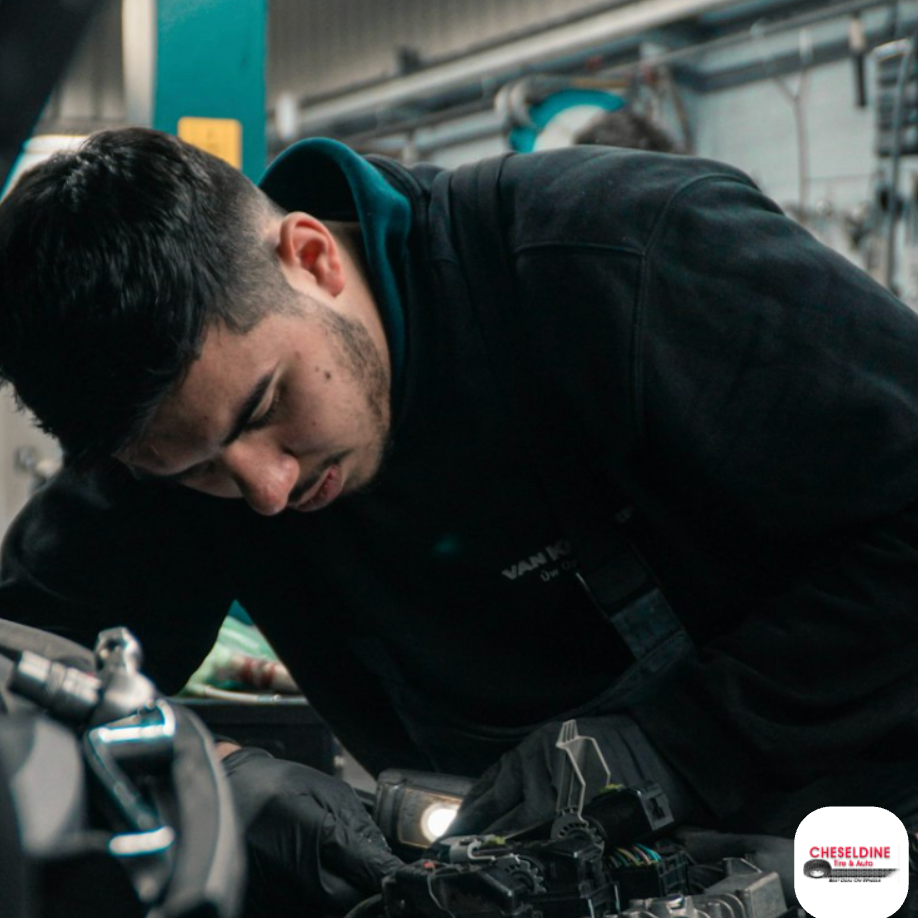
Modern vehicles are run by dozens of interconnected computer systems, and finding the actual cause of a problem takes more than just plugging in a code reader. A proper diagnosis takes time, training, and often specialized equipment to isolate exactly what's wrong — whether that's a failing sensor, a wiring issue, or something mechanical. Skipping this step can mean paying for a part that was never the problem in the first place. The time spent diagnosing correctly is what ensures the repair actually fixes the issue.
What This Means for You
The next time you get a repair estimate, it helps to ask questions: What type of part is being used? What did the diagnostic process involve? Why is this the recommended fix? A shop that's willing to walk you through those answers is one that's being upfront about where your money is going — not just handing you a total and moving on.
Transparency You Can Count On
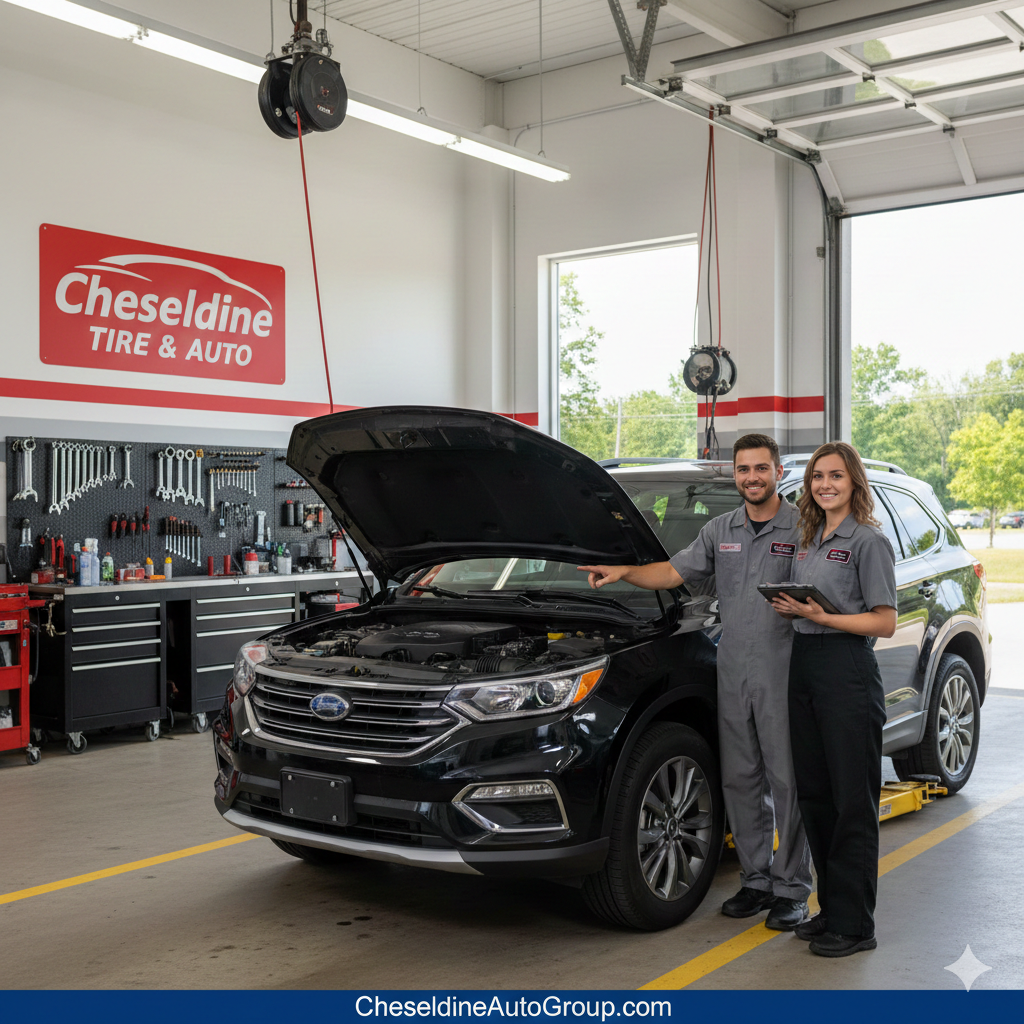
At Cheseldine Auto Group, we believe in honest service with no surprises. Our technicians take the time to explain the labor, the parts, and the diagnostics behind every recommendation, so you always know what you're paying for and why.
Have a question about repair costs or what's going on with your vehicle? Visit CheseldineAuto.com to schedule a visit or get in touch — we're happy to give you honest, straightforward answers.